Installation planning
Review the room, intended use, system type, capacity, placement and access before a new domestic system or replacement is considered.
Plan, maintain or repair domestic air conditioning with a clear starting point. Share the room, system, visible change and access context; the right service route and any F-Gas-qualified delivery requirement can then be confirmed before work is agreed.

Domestic air conditioning enquiries often begin with one room, one unit or one change in comfort. The system, property and agreed work scope still need to be checked together.
Review the room, intended use, system type, capacity, placement and access before a new domestic system or replacement is considered.
Organise cleaning, airflow, controls and performance questions around an existing system and its service history.
Describe loss of cooling, water, unusual noise or control changes so the right assessment route can be considered.
Discuss thermostats, timers, operating changes and room comfort without assuming that one visible symptom proves the cause.
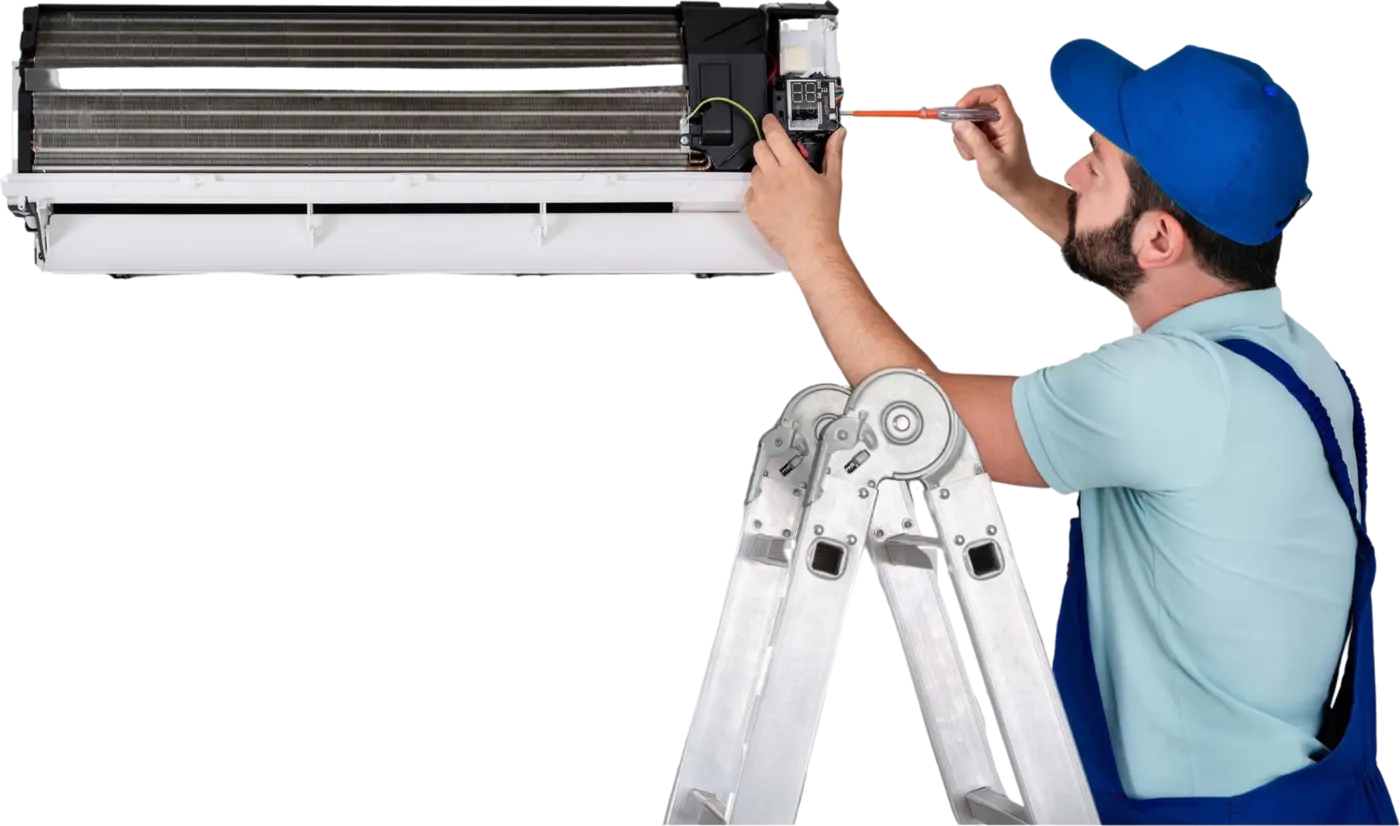
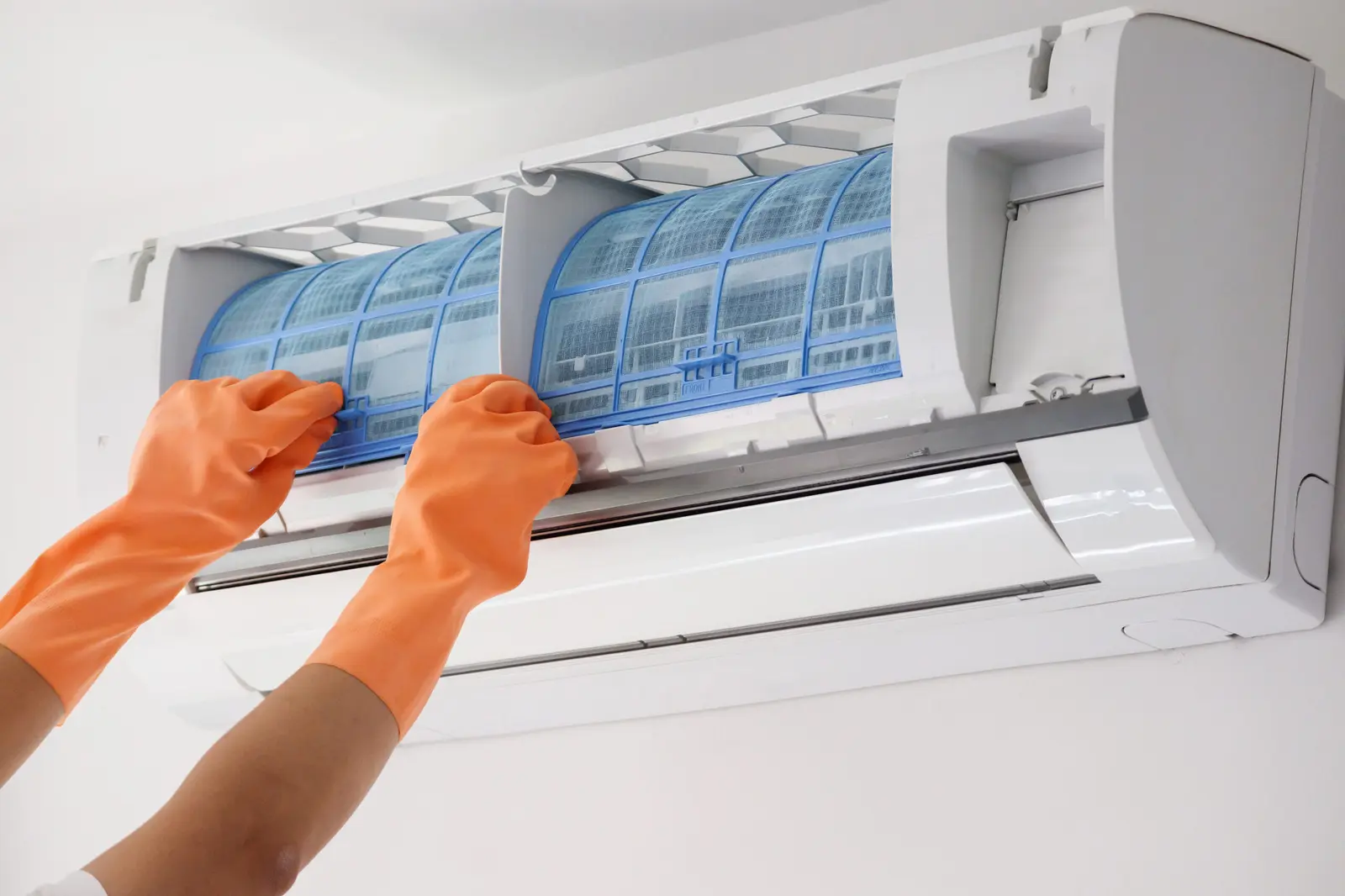
The assistant or contact team can route a planned enquiry more accurately when the visible symptom, affected area and timing are clear.
A room takes longer to cool, does not reach the expected comfort level or feels different from other rooms.
Dripping, staining or condensation is useful context, but the source and safe repair route need assessment.
New rattling, humming or cycling can help describe the change before an inspection is planned.
A thermostat, timer or remote may need a settings check or a wider system assessment.
Do not open refrigerant or electrical components. For smoke, fire, exposed wiring, water near electrics or immediate danger, leave the area and use the appropriate emergency route.
A clear sequence keeps access, competency, documentation and commercial boundaries visible before inspection, refrigerant work or follow-on work is agreed.
Tell the team whether the request is a new installation, maintenance visit, repair assessment or controls question.
The property, rooms, units, visible change, access, system history and any immediate hazard shape the next step.
Where refrigerant handling is involved, confirm the appropriate current F-Gas-qualified route and the exact work scope before booking.
Inspection detail, access, exclusions, parts, labour and any separate work are explained before additional work begins.
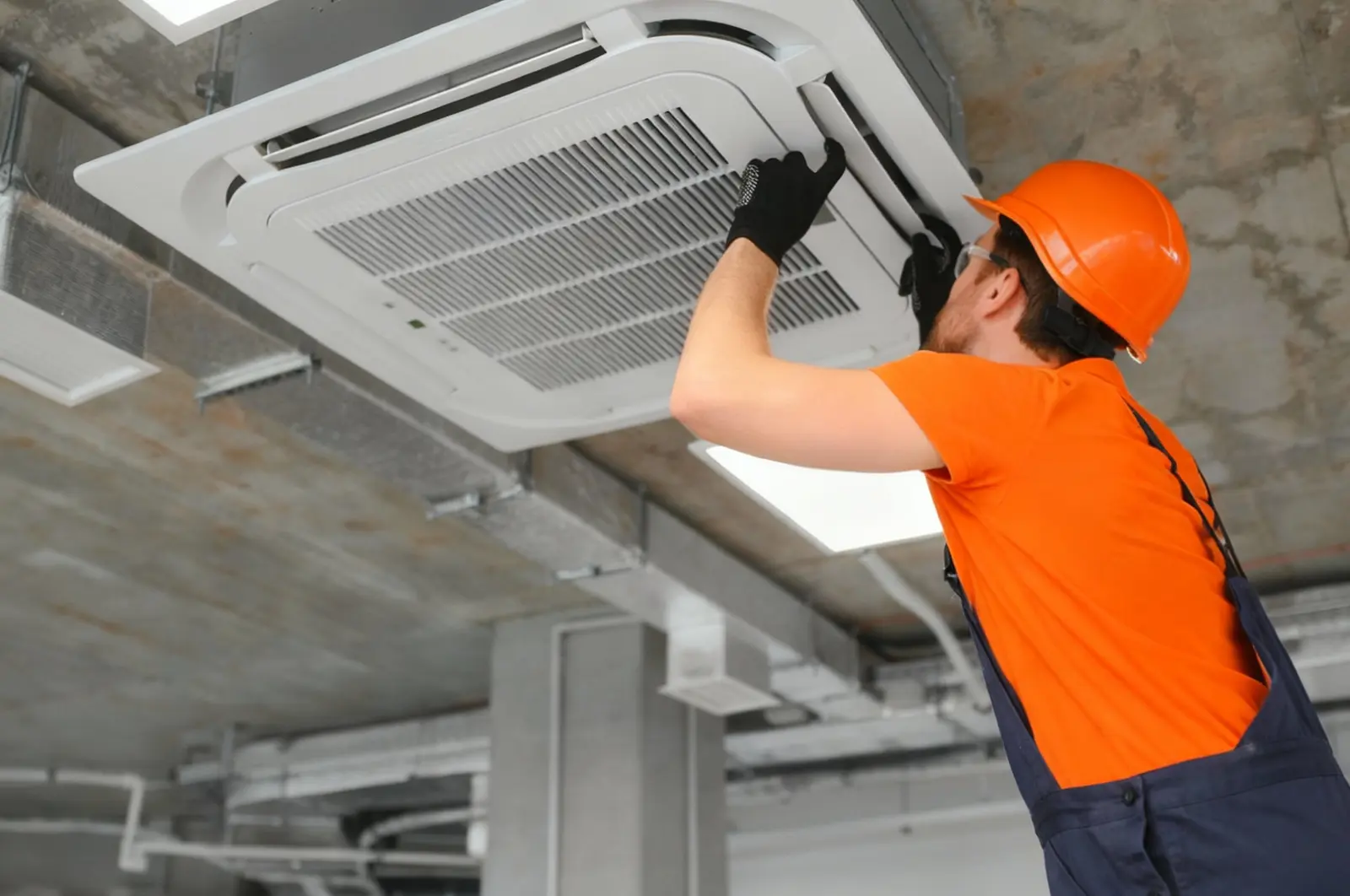
No fixed price is shown because the system, access, inspection detail and any separate work vary by property and appliance.
The number and type of units, intended room use, capacity and existing equipment affect the work involved.
Indoor and outdoor access, pipework length, mounting position, drainage and electrical context can change the scope.
Cleaning, parts, controls, refrigerant handling, commissioning or remedial work may be separate items.
No call-out fee. You pay for agreed labour and materials after receiving a clear quote before work begins. Cash, credit card and debit card accepted. Relevant completed work is covered by a 12-month workmanship guarantee, subject to the agreed scope and written terms.
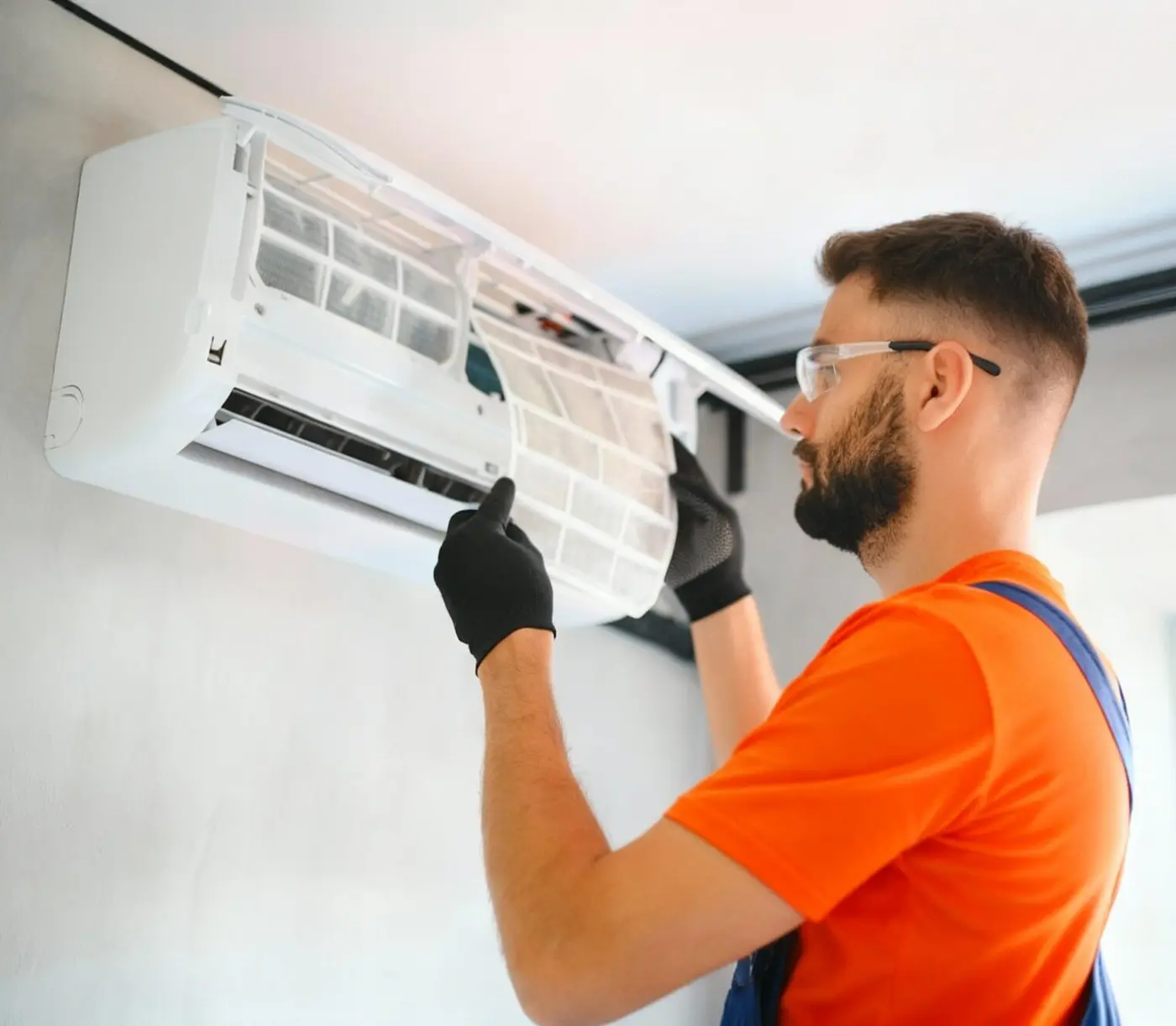
A room or property can look straightforward while capacity, placement, drainage, controls, outdoor-unit position and access change the practical route.
Occupancy, heat load, comfort expectations and hours of use can inform the assessment.
Existing units, controls, pipework and service history help separate maintenance, repair and replacement questions.
Indoor and external access, mounting positions and any restrictions should be understood before a quote.
Use the hub for the wider service question. Choose a dedicated page when the main intent is installation, maintenance or repair.
Plan a new domestic system, replacement or room-by-room installation route.
Read the buying guide →Keep an existing system's cleaning, controls and performance questions organised.
Read filter-care guidance →Use the repair route for a system that is not cooling, is leaking or is operating unusually.
Review common symptoms →Use the wider hub when the main requirement includes broader heating or property planning.
View heating and cooling →The service hub can organise domestic air-conditioning enquiries around installation planning, existing-system maintenance, repair symptoms and controls. The system type, access and agreed scope need to be confirmed before work is booked.
A planned domestic installation enquiry can be assessed for a room or property. Suitability, capacity, placement, controls, external-unit considerations and the installation scope should be confirmed before a quote is agreed.
Maintenance timing depends on the system, use, environment and manufacturer guidance. A check is sensible when airflow, cleanliness, odour, noise or cooling performance changes, or when the service history is unclear.
Loss of cooling, unusual noise, water indoors or control problems are useful symptoms to describe. An appropriate assessment is needed before the cause, repair route, refrigerant work or price can be confirmed.
The system type and capacity, number of indoor units, access, pipework route, electrical requirements, diagnosis, parts and any refrigerant or commissioning work can affect the agreed scope and quote. No fixed price can be confirmed from this page alone.
Keep away from water near electrics, smoke, fire or exposed components. Stop using the equipment if it is safe to do so, leave the hazard area and use the appropriate emergency route rather than troubleshooting online.
Use the assistant to organise the system, symptom, property context and intended work. It provides a route, not a diagnosis, F-Gas confirmation, fixed quote or acceptance of work.
Choose the closest answer. A hazard stops the normal questions so you are not delayed by an online form.
Tell the team whether you need installation planning, maintenance or a repair assessment, together with the room, system and access details you can safely observe. The scope and quote can then be clarified before work begins.