Damp with no clear source
A recurring patch on a wall, ceiling or floor may justify checking nearby plumbing routes before assuming a building-damp cause.
Water leak detection is the right starting point when you can see signs of escaping water but cannot identify the source. A staged, non-invasive leak detection approach begins with the evidence and accessible areas before any opening-up or repair is agreed.
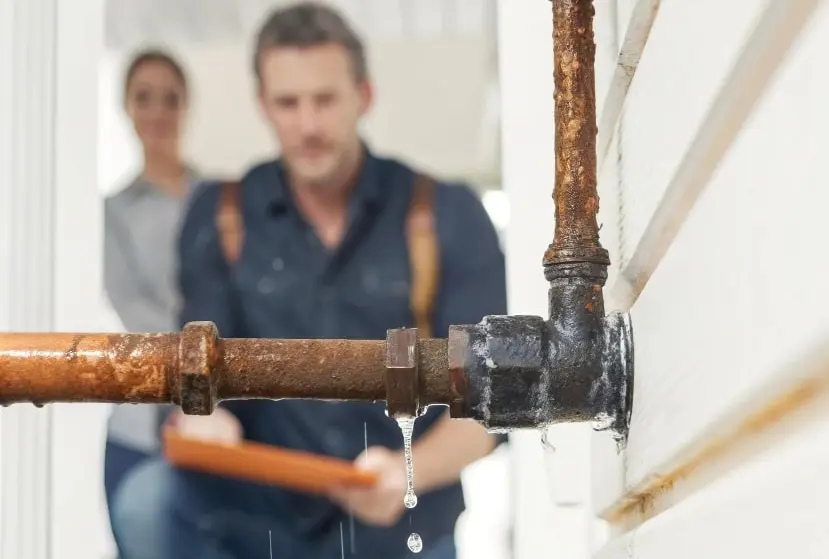
Use this route when the symptom is credible but the source remains hidden, uncertain or affected by more than one possible plumbing path.
A recurring patch on a wall, ceiling or floor may justify checking nearby plumbing routes before assuming a building-damp cause.
Water use recorded while taps and water-using appliances are off can indicate a supply-side loss that needs investigation.
Recurring pressure loss may have more than one cause, so the affected system and visible evidence need to be separated first.
Water sounds when fixtures are off can help narrow the area, but they do not confirm the exact source on their own.
Repeated staining, swelling or moisture near a bathroom, kitchen or utility area can point to a concealed connection or pipe route.
A higher bill, damp patch, musty smell or soft finish is more useful when the timing and location are considered together.
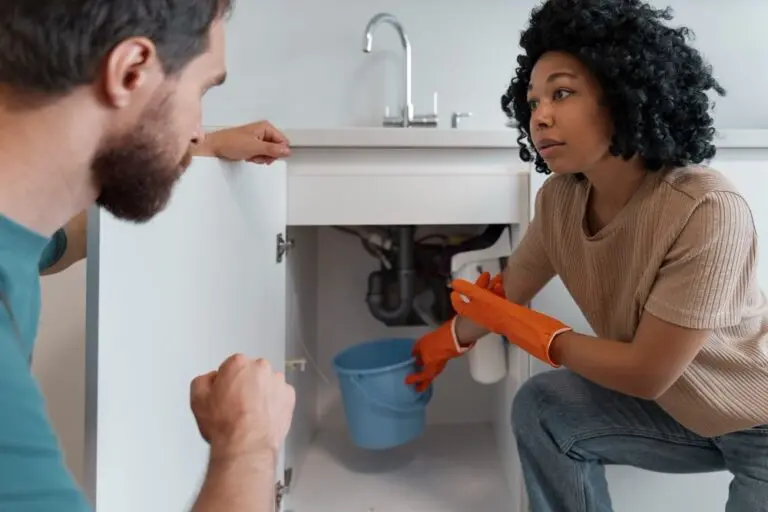
The original pages mixed plumbing leaks with rising damp, rainwater and building-fabric problems. The new scope keeps those routes separate.
The sequence limits unnecessary disruption: start with what can be observed, narrow the likely route, then agree any access or repair separately.

Share where the sign appears, when it started, whether it changes with water use and any meter, pressure or recent-work details.
Active uncontrolled water and immediate hazards use the emergency route; a stable but uncertain source stays on the detection route.
Accessible fixtures, connections and visible areas are considered first, then further staged checks are agreed where the source remains concealed.
The findings, confidence, access implications and suitable next step are explained before any opening-up or repair work is authorised.
Keeping these purposes separate gives the user a clearer next step and prevents this page competing with the dedicated repair and emergency pages.
Choose this page when the signs are real but the water source has not yet been identified.
See the investigation process02Leak visible or already confirmedMove to the repair page when the affected fitting or accessible pipework is known and the job is to stop and repair it.
View water leak repair03Water escaping nowUncontrolled water, flooding or water near electrics needs immediate safety action and urgent contact rather than a planned investigation.
Open emergency plumbingNo fixed price or investigation duration is shown because the evidence, property layout, access and number of possible sources vary.
The size of the affected area, occupied rooms, floor or wall finishes and safe access can change the investigation scope.
A single nearby fixture differs from symptoms that could involve several supply, waste or heating routes.
Meter readings, pressure behaviour, photos and the order of agreed checks affect how the investigation is planned.
Opening finishes, repairing pipework, parts, drying, mould treatment and reinstatement are not assumed to be included.
No call-out fee. You pay for agreed labour and materials after receiving a clear quote before work begins. Cash, credit card and debit card accepted. Relevant completed work is covered by a 12-month workmanship guarantee, subject to the agreed scope and written terms.

These details help organise the first conversation. They do not replace an on-site assessment or prove the leak location.
Note the room, surface, smell, sound, staining, pressure change or meter behaviour and when it first appeared.
Explain whether the symptom follows shower use, heating operation, rainfall, appliance use or recent plumbing or building work.
Provide the Guildford postcode, photos if useful, occupied areas and whether water is active, controlled or near electrics.
Describe the unexplained water loss, damp sign, meter or pressure change, location and urgency. Request contact directly or use the guided assistant to organise the details before getting in touch.