Interior and exterior lighting
Plan feature, practical, garden or security lighting around the room, controls, access and the existing electrical route.
Request an electrical assessment for a visible fault, planned installation, lighting change, inspection or connected equipment. Share the property, affected area and urgency so the work scope and appropriate delivery route can be clarified before booking.

Electrical enquiries can start with a fault, a room change, an inspection or a new piece of equipment. The property and exact task determine the practical route.
Plan feature, practical, garden or security lighting around the room, controls, access and the existing electrical route.
Describe a failed socket, light, circuit, tripping pattern or visible change so the correct assessment route can be considered.
Organise an inspection request and confirm what testing, documentation or certification is relevant to the property and purpose.
Review the proposed equipment, supply, mounting, cable route and property access before installation work is agreed.
Separate the equipment, mounting, power, data and coverage requirements for a security or access project.
Use the urgent route for immediate danger, smoke, fire, exposed parts or water reaching electrical fittings.
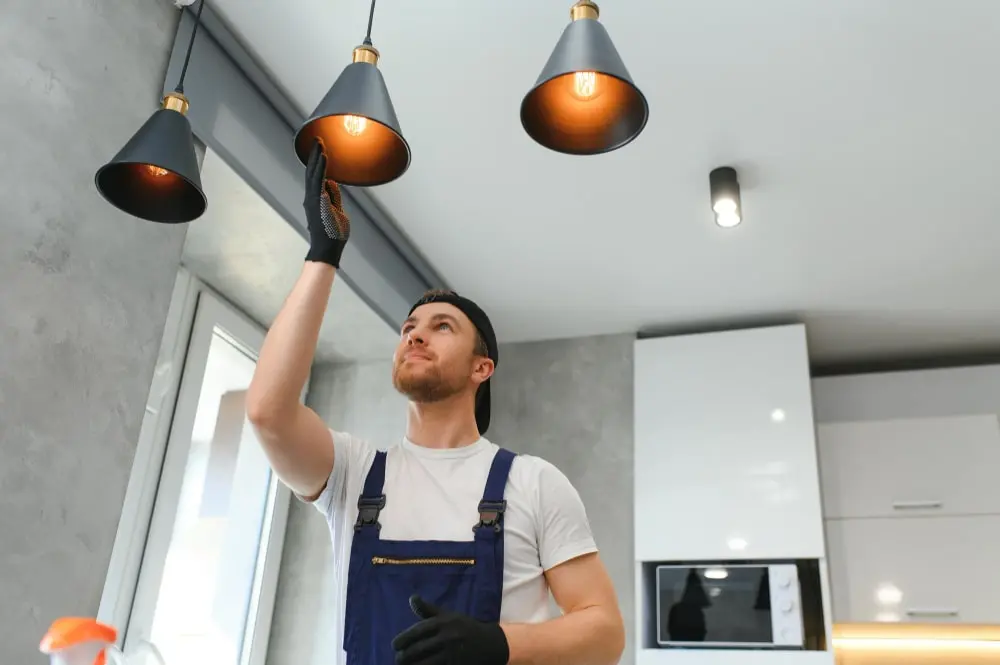

A useful description helps separate a routine assessment from an urgent safety concern. Do not dismantle or test suspected electrical faults yourself.
It is loose, warm, sparking, damaged or no longer operating as expected.
One fitting, several rooms or a protective device may be affected; the pattern is useful context.
Do not repeatedly reset it. Note what was running and whether the problem returns immediately.
New lighting, an EV charger, access equipment or another appliance needs a supply and installation review.
For smoke, fire, burning smells, exposed live parts, water near electrics or immediate danger, keep away from the area and use the appropriate emergency route.
The sequence keeps safety, access, competency, documentation and commercial boundaries visible before work begins.
Tell the team the Guildford postcode, affected room or equipment, visible change, urgency and what you want checked.
The property, circuit context, equipment, access, photographs and any immediate hazard shape the next safe step.
The requested task determines the appropriate delivery, inspection and certification requirements. These are confirmed before work is agreed.
Labour, materials, testing, documentation, exclusions and any separate making-good are explained before additional work begins.

An inspection request needs a clear purpose: a change of occupier, a property concern, planned work, a visible fault or a request for documentation. The appropriate inspection, testing and certification route depends on that context.


No fixed price is shown because diagnosis, access, materials, testing and any certification or making-good requirements vary by property and task.
The fault pattern, number of circuits, diagnosis time and any hidden cause can change the work involved.
Property layout, wall or ceiling access, cable length, consumer-unit context and working conditions affect the scope.
Fittings, equipment, testing, documentation, certification and separate making-good are identified rather than assumed.
No call-out fee. You pay for agreed labour and materials after receiving a clear quote before work begins. Cash, credit card and debit card accepted. Relevant completed work is covered by a 12-month workmanship guarantee, subject to the agreed scope and written terms.
Electrical work often touches another service. Use the closest dedicated page where one exists, and keep the electrical scope separate from plumbing, heating or emergency work.
Use the dedicated route when a shower installation or replacement includes both plumbing and electrical requirements.
View this routeChoose the heating route when the electrical question is part of a wider boiler, controls or central-heating project.
View this routeUse the urgent route for immediate danger, exposed wiring, smoke, fire or water near electrical fittings.
View this routeReturn to the parent hub when the requirement includes more than one trade or the closest service is not yet clear.
View this route

The service route can cover domestic electrical fault assessment, lighting, planned installations, inspections, access-control or CCTV-related work and other agreed electrical requirements. The exact scope depends on the property and requested task.
Yes, describe what has changed, which room or circuit is affected, whether a protective device is tripping and whether there is heat, smoke, water or visible damage. Do not open or test unsafe electrical equipment yourself.
An inspection or certification request can be discussed, but the applicable report, testing and certification route must be confirmed for the property and work involved before it is agreed.
Planned lighting, EV charging, access-control, CCTV and related equipment can be routed for review. The equipment, supply, mounting, cable route, access and any separate work need to be confirmed before a quote.
Diagnosis, circuit access, property layout, cable routes, materials, equipment, testing, certification and any making-good can affect the agreed scope. No fixed price can be confirmed from this page alone.
If there is smoke, fire, a burning smell, exposed live parts, repeated dangerous tripping or water near electrics, keep people away and do not touch the equipment. Leave the hazard area and use the appropriate emergency route.
The assistant asks about the fault or planned requirement, affected area, urgency and property context. It provides a general route, not a diagnosis, certification decision or fixed quote.
Choose the closest answer. A hazard stops the normal questions so you are not delayed by an online form.
Tell the team whether you need fault assessment, lighting, an inspection, planned installation or connected equipment. Share the property and access details you can safely observe so the scope can be clarified before work begins.