Identify immediate danger
For fire, smoke, a gas smell, a CO alarm, water near electrics or danger to people, leave the area and use the appropriate emergency service.
Call for burst pipes, active leaks, blocked or overflowing drains, toilet overflows, loss of heating or hot water and urgent boiler faults. Share the visible problem and immediate risk so the right route can be confirmed.
Available 24 hours a day, 7 days a week. Response targets depend on availability, location, traffic and site conditions.

A plumbing emergency can also involve electricity, gas, contaminated water or structural damage. Do not take a repair risk just to complete an online enquiry.
For fire, smoke, a gas smell, a CO alarm, water near electrics or danger to people, leave the area and use the appropriate emergency service.
If you know the location and it is safe, isolate water or power. Do not enter a flooded or electrically unsafe area.
Tell the team what changed, where it is happening, whether it is still active and how access will work.
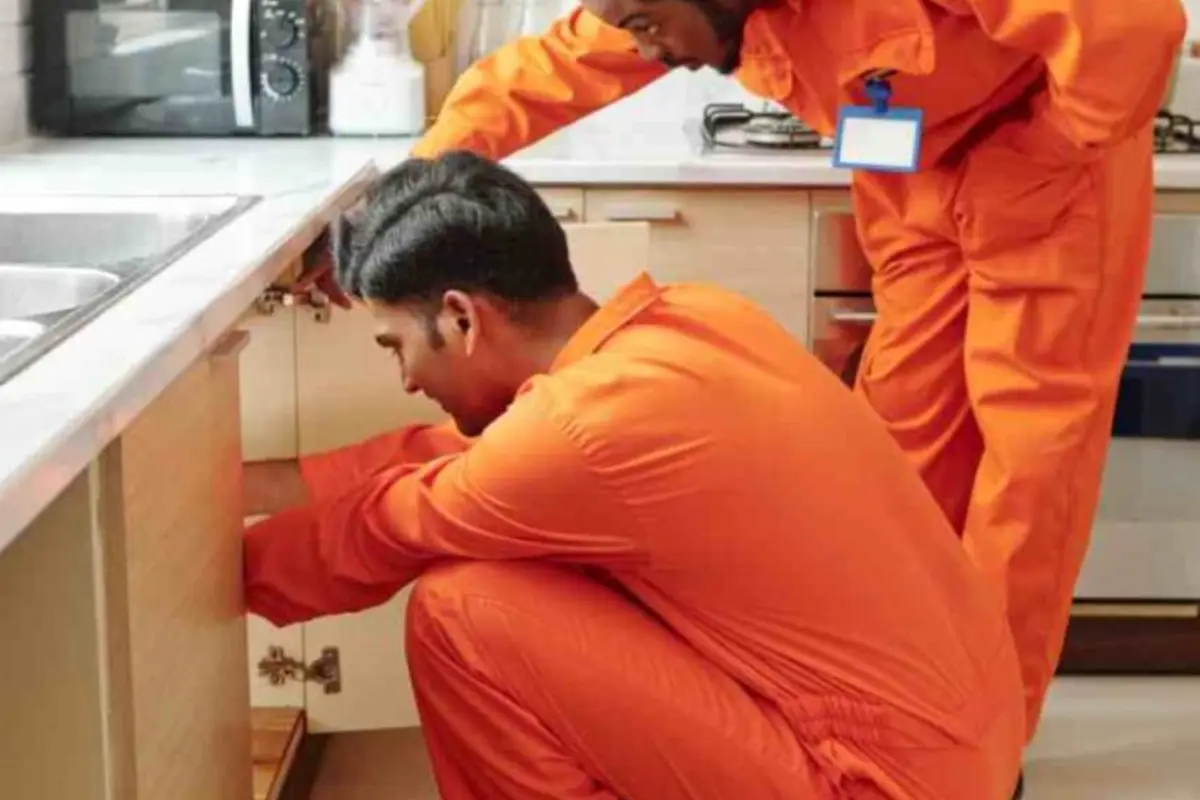
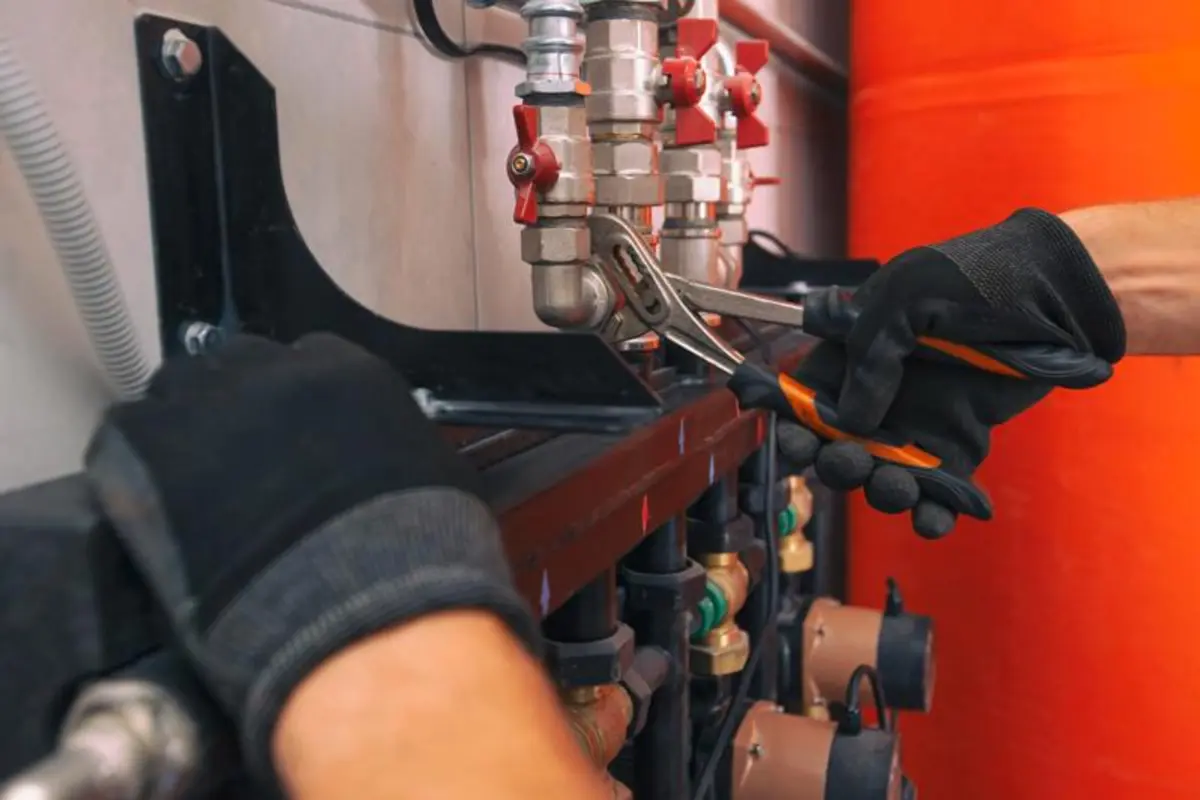
Choose the closest description. The issue, severity, affected area and immediate safety context help shape the next safe step.
Share where the water is coming from, whether it is still active and whether the stop tap or isolation point is accessible.
Start safety route →02Explain which room or area is affected, any visible damage and whether water is near electrical equipment.
Start safety route →03Describe what is backing up, whether other fixtures are affected and whether wastewater is entering the property.
Start safety route →04Share the appliance or system involved, visible display changes and whether there is any smell, smoke or other immediate hazard.
Start safety route →The sequence keeps the urgent decision clear without promising a diagnosis or repair before the property and fault can be assessed.
Explain the visible problem, Guildford postcode, access and any immediate risk so the enquiry can be routed safely.
The available response route, practical scope and any relevant access or safety boundary are clarified before attendance.
Review the proposed work and clear quote before additional labour or materials are agreed.
The completed scope, findings and any separate follow-on work are explained so the next step is clear.
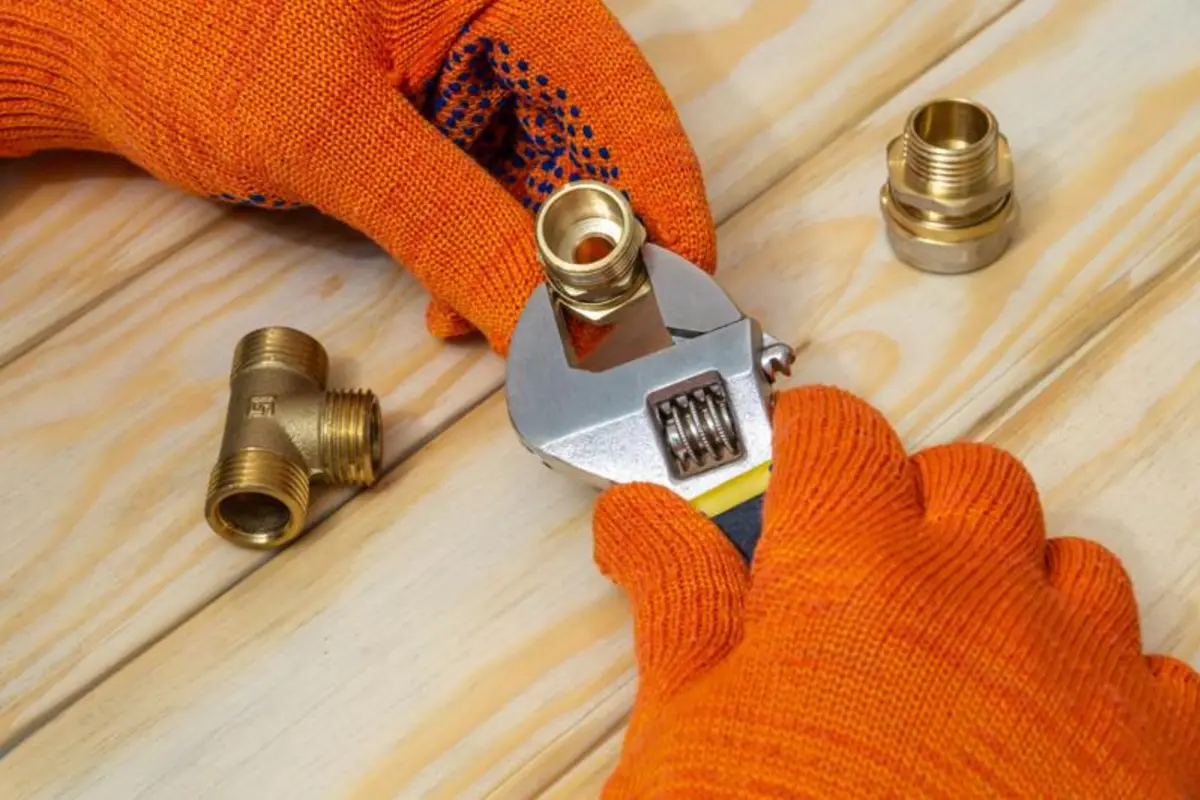
Emergency work still needs an agreed scope. The property, access, materials, labour, testing and any separate remedial work should be explained before it is added.
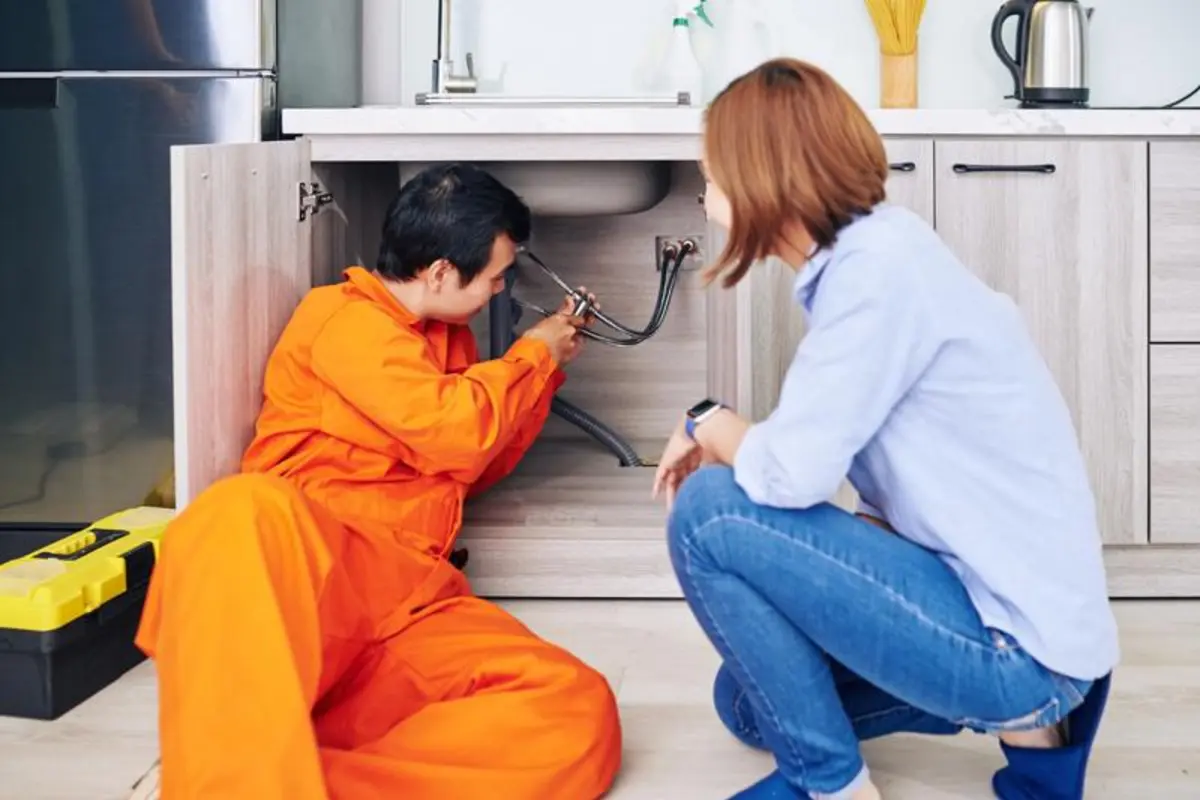
The guided route asks about immediate hazards first, then the issue, severity, property and access. It provides general routing support, not a diagnosis, guaranteed response or fixed quote.
Have the Guildford postcode, affected area, access details and immediate safety context ready. The team can then confirm the most appropriate route.
Call 020 3488 1404Choose the closest answer. A hazard stops the normal questions so you are not delayed by an online form.
Start with the Guildford postcode, property type, access arrangements and the affected area. For nearby locations, check the wider service areas or call to confirm the correct route.
Burst pipes, active water leaks, blocked or overflowing drains, toilet overflows, loss of heating or hot water and urgent boiler faults can all need an urgent assessment. If there is immediate danger to people or property, use the appropriate emergency service first.
We aim to reach most emergency call-outs in Guildford within 60 minutes, subject to availability, location and traffic. Response times are targets rather than guarantees.
No call-out fee. You pay for agreed labour and materials after receiving a clear quote before work begins. Cash, credit card and debit card accepted.
Keep away from the affected area. Do not touch wet electrical equipment or enter an unsafe space. If it is safe to do so, isolate the relevant supply without taking a risk, and use the appropriate emergency service if anyone is in danger.
Do not use switches or electrical appliances. Leave the property and call the National Gas Emergency Service on 0800 111 999. Once the gas emergency service has made the property safe, contact the relevant competent route for any required repair.
Yes, the enquiry can include the property type, access arrangements, tenant or site contact and any reporting requirement. The exact attendance, scope and documentation should be confirmed before work begins.
Call for safety-first triage, or share the details through the guided route when the situation is safe to describe.