Visible water at a fitting
Water around a tap, basin, toilet, shower, waste or appliance connection can point to a repair route when the affected area is accessible.
Use this repair route when water is escaping from a known fitting, connection or accessible area. Hidden water leak repair may first require a separate detection stage when the source is still uncertain.
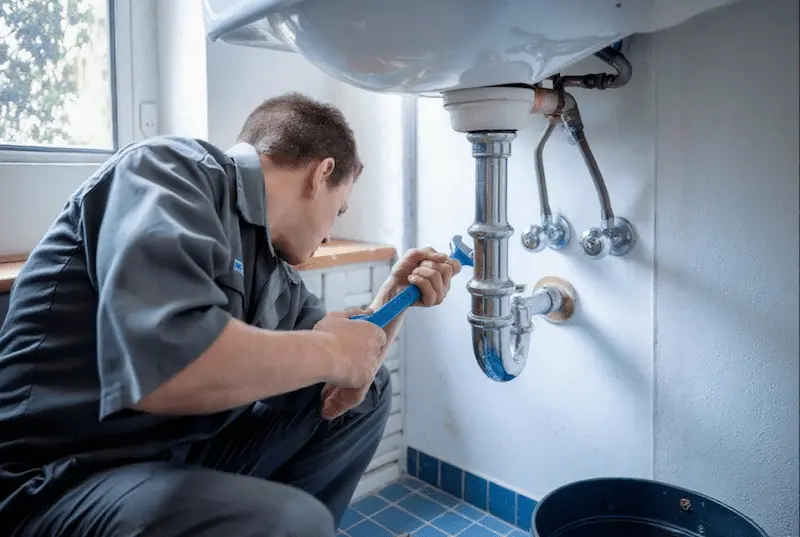
The useful distinction is whether the source or affected component is visible enough to assess, or whether investigation is still needed first.
Water around a tap, basin, toilet, shower, waste or appliance connection can point to a repair route when the affected area is accessible.
Intermittent dripping or staining may change with fixture use, pressure or appliance cycles, so the timing helps define what should be checked.
A ceiling or wall mark can be linked to plumbing above, but the route must be narrowed before opening finishes or promising a repair.
A confirmed accessible pipe, joint, valve, seal or waste connection can usually be assessed as a repair rather than a broad detection enquiry.
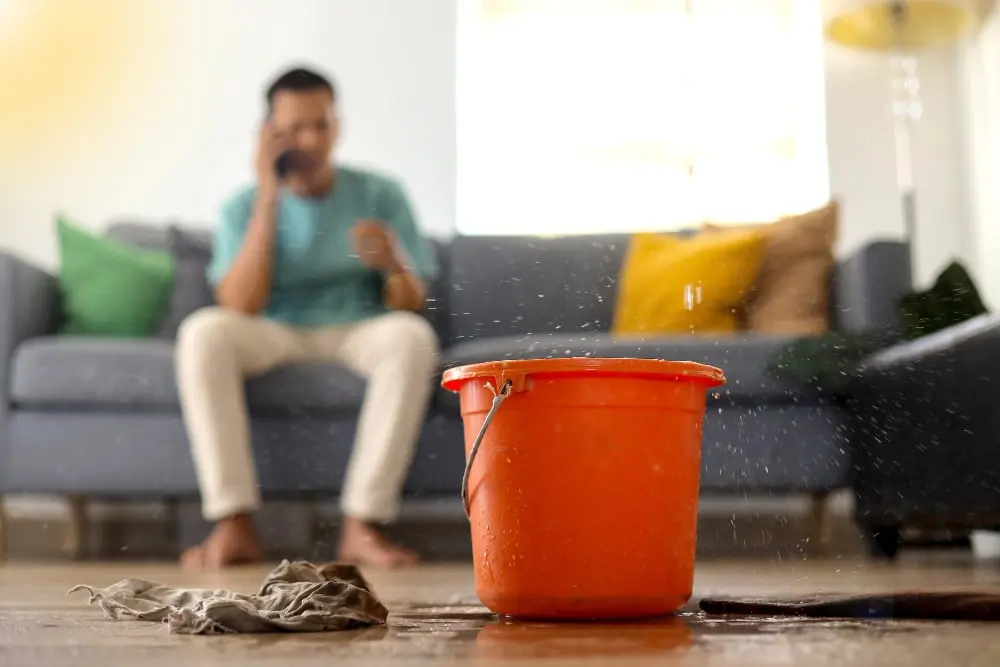
Clear boundaries prevent a visible symptom from being treated as proof of the source, the required access or the final cost.
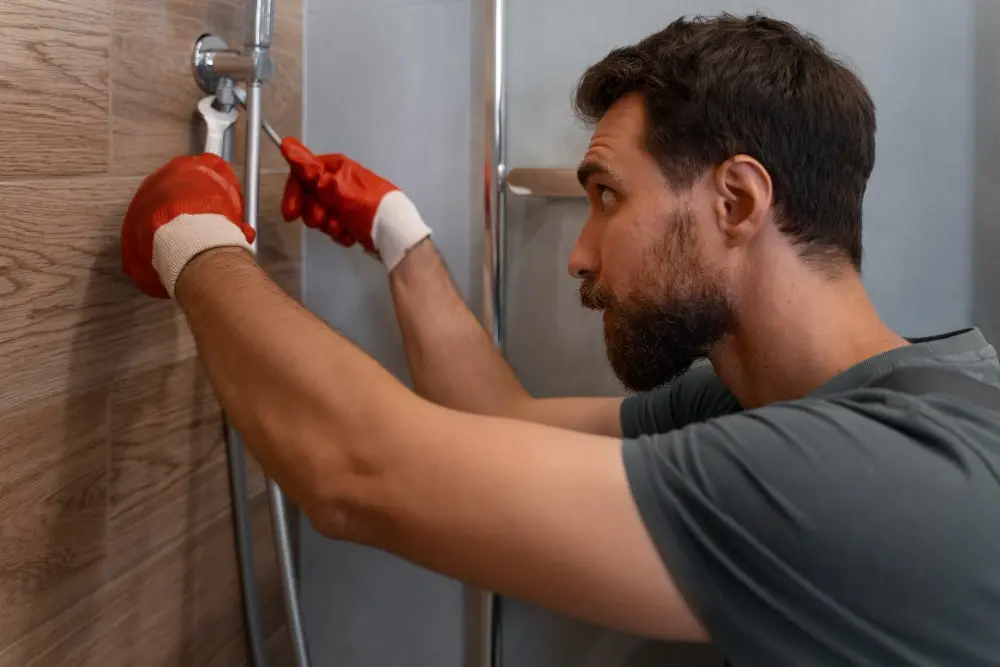
The process separates urgency, finding the likely source and carrying out the authorised repair so the user knows what is—and is not—being agreed.
Share where the water appears, whether it is active, whether it has been controlled and whether electrics or occupied areas are affected.
The visible source, nearby fixtures, accessible connections and any evidence from above or below are considered before a repair scope is proposed.
The intended work, limitations, likely materials, separate trades and a clear quote are set out before repair work begins.
The agreed repair is completed, accessible joints or fixtures are checked and any monitoring or follow-on work is explained.
Keeping each purpose on its own page gives the user a clearer next step and reduces competition between the service URLs.
Use this page when the affected fitting, joint, waste or accessible pipework is known or can be assessed directly.
See the repair process02Source hidden or uncertainUse the investigation route when there are credible signs of water loss but the source still has to be narrowed down.
View leak detection03Pipe or joint is the main faultUse the pipe-specific page for an accessible split, burst, damaged section or leaking joint that needs a focused pipe repair.
View leaking pipes04Water uncontrolled or hazardousUse the urgent contact route for uncontrolled water, rapid flooding or water near electrics rather than waiting for a planned booking.
Open emergency routeA water leak can show up in the same place but come from a different component. The repair should follow the evidence rather than the visible mark alone.
Taps, toilets, shower fittings, valves and accessible water connections may need adjustment, parts or replacement.
Basins, baths, showers, appliance wastes and overflow routes can leak only when the fixture is being used.
A visible split, damaged section or leaking joint may be better handled through the dedicated leaking pipe repair route.
Water above a ceiling can originate from pipework, a bathroom fitting, waste or overflow. Any access and making good must be agreed separately.
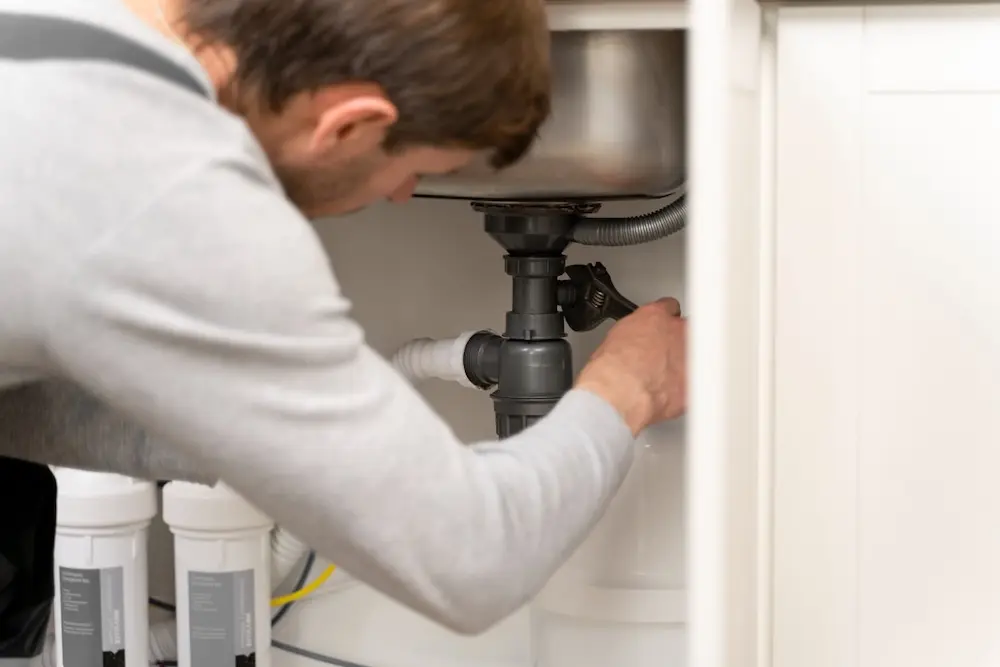
A fixed price is not shown because the source, access, urgency, materials and any separate investigation or reinstatement vary.
An exposed joint differs from a leak behind a panel, ceiling, tiled surface or fitted cabinet.
The affected component, condition, compatible parts and whether replacement is more suitable shape the work.
Controlled seepage and active uncontrolled water require different booking and safety routes.
Detection, drying, making good, specialist access and other trades are not assumed to be part of the repair.
No call-out fee. You pay for agreed labour and materials after receiving a clear quote before work begins. Cash, credit card and debit card accepted. Relevant completed work is covered by a 12-month workmanship guarantee, subject to the agreed scope and written terms.
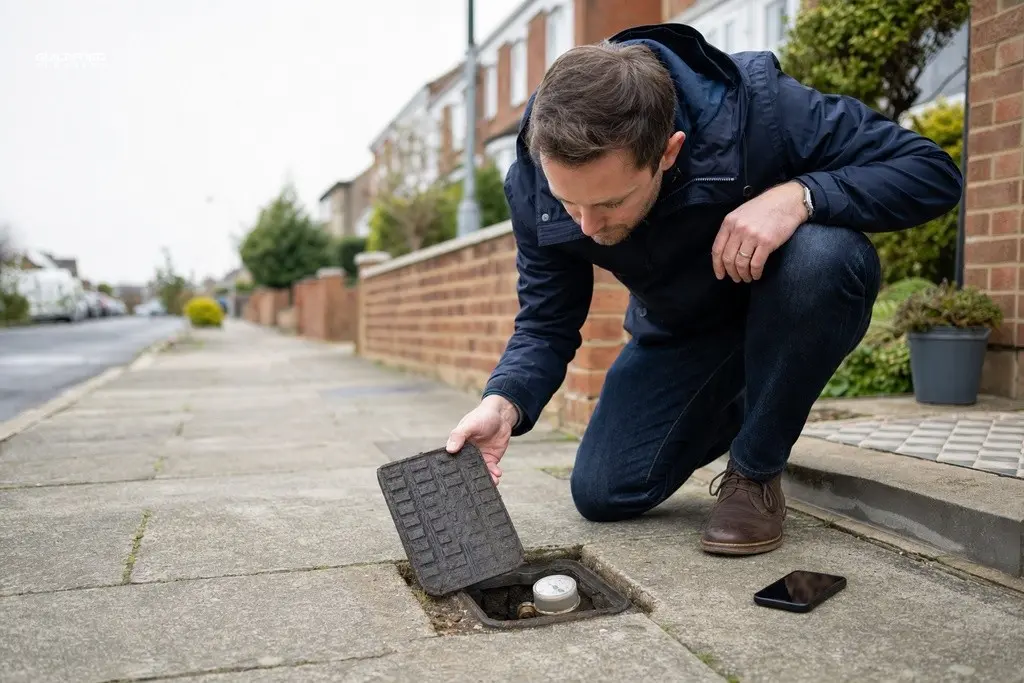
Share observations rather than guessing the cause. These details help distinguish a repair, a detection stage and an emergency response.
Give the room, fixture or surface involved and say whether the water source can be seen or only the resulting damp or staining.
Explain when it started, whether it follows fixture or appliance use and whether the water is active, intermittent or controlled.
Flag water near electrics, occupied rooms, access restrictions and any recent plumbing, appliance or building work nearby.
Useful photos, pressure behaviour or a meter observation can support the first conversation, but they do not prove the final source.
The assistant asks general safety and routing questions. It does not diagnose the cause or replace an on-site assessment.
Choose the closest answer. A hazard stops the normal questions so you are not delayed by an online form.
Describe where the water appears, whether the source is visible, whether it is active or controlled and any immediate risk. Request an assessment or use the guided route to organise the details first.