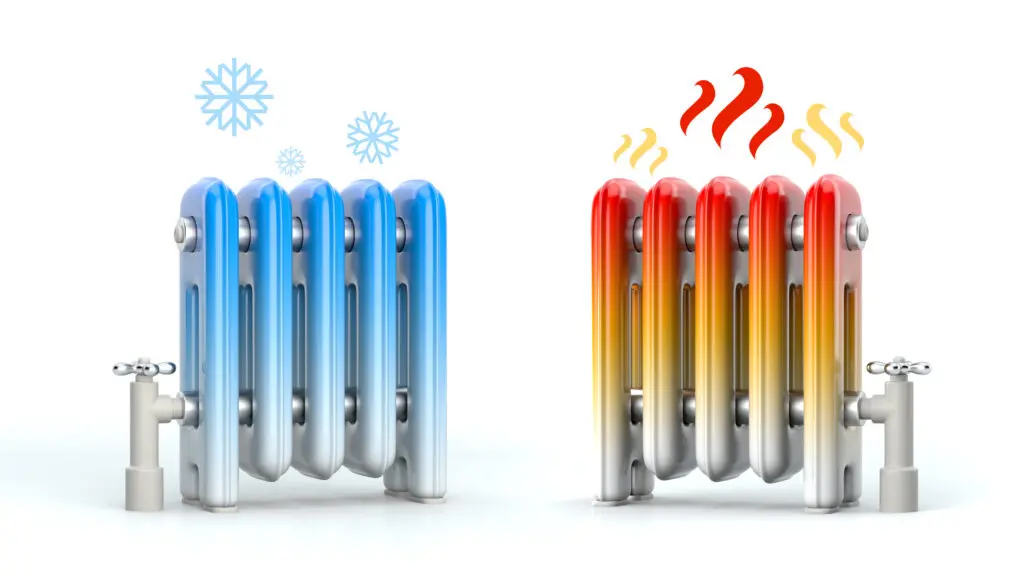
Cold or uneven radiators
One room stays cold, or radiators heat unevenly across the property.
Get a clear route for cold radiators, uneven heating, unreliable controls and other central-heating breakdown symptoms. The right repair depends on the system, access, visible evidence and agreed scope.
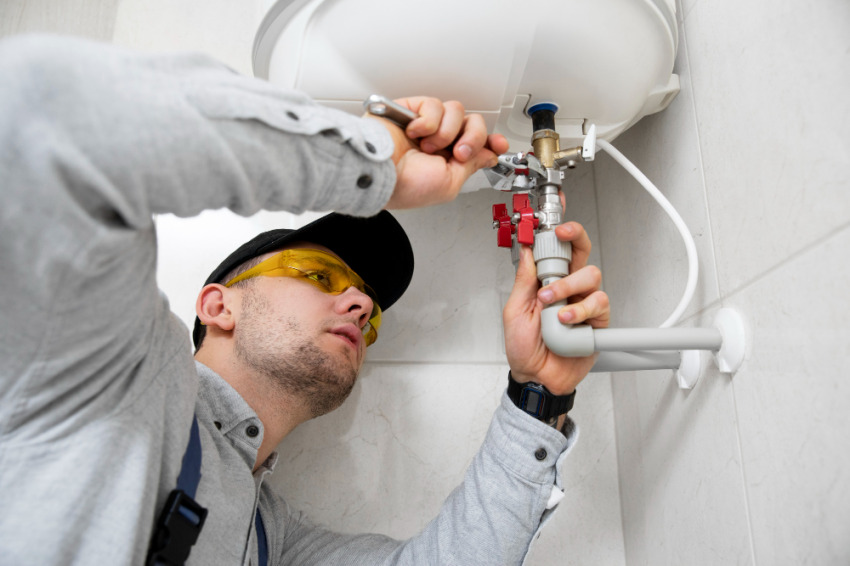
Choose the closest visible change. It helps organise the enquiry but does not diagnose the fault.
One room stays cold, or radiators heat unevenly across the property.
The thermostat, timer, valve or heating response does not behave as expected.
The system becomes noisy, slow to heat or repeatedly loses performance.
Visible pressure changes, leaks or circulation symptoms need appropriate review.
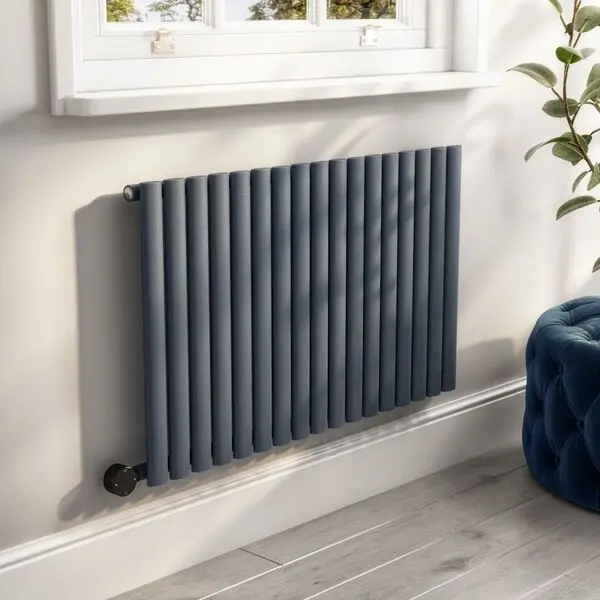
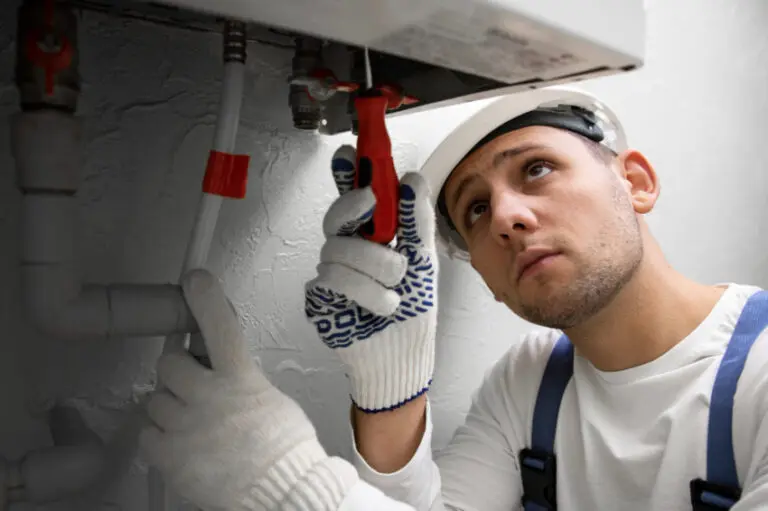
A repair enquiry can include the heating system around the boiler, not only the appliance itself. The final scope depends on the system, access and findings.
The page and assistant do not diagnose a failed component, guarantee a repair outcome or replace an appropriate inspection.
Explain what has changed, which rooms are affected and whether the issue is happening now.
Share only what is visible and safe to access. Keep the boiler casing closed and do not attempt gas work.
The appropriate person reviews the appliance, controls, accessible components and agreed access before defining the work.
The proposed scope and quote are discussed before agreed work is completed and the relevant system checks are made.
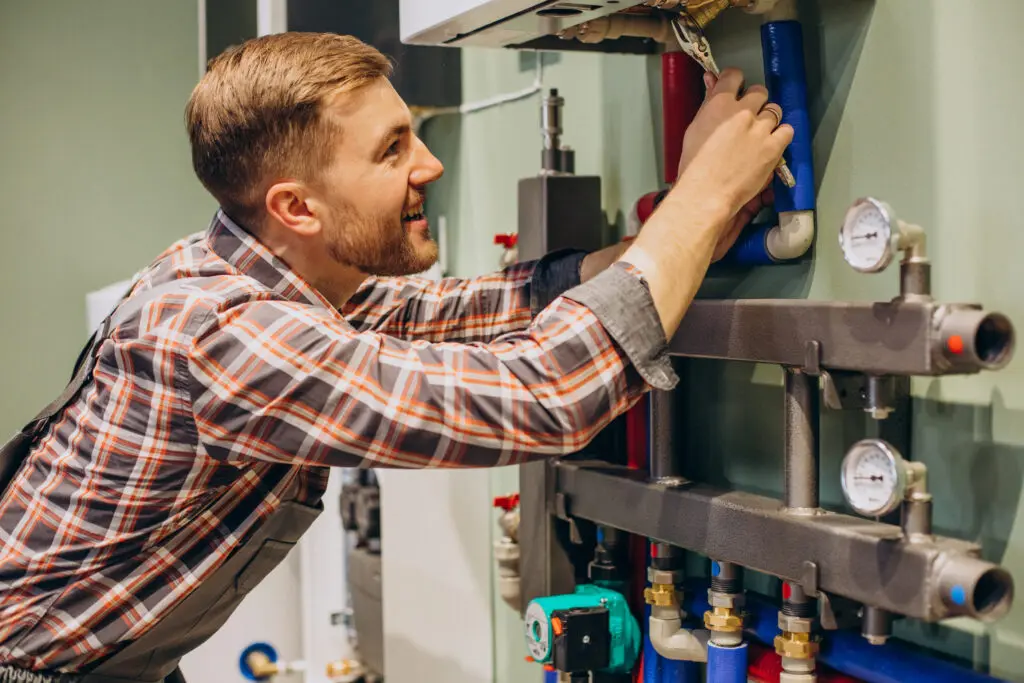
The distinction keeps the enquiry focused and avoids sending a general repair question through the wrong route.
For cold radiators, unreliable controls, circulation symptoms and heating performance changes.
Review repair scope →For urgent boiler faults or a safety concern that should not wait for normal troubleshooting.
Open boiler repair route →For planned maintenance, wider system checks and improvement decisions.
View heating services →The route can cover symptoms such as cold or uneven radiators, unreliable controls, circulation issues, pressure changes and heating that stops or repeatedly loses performance. The actual cause and repair scope need appropriate assessment.
No. A boiler can operate while controls, valves, circulation, radiators or connected pipework still affect the heating. The symptom and system behaviour help organise the enquiry without confirming the cause online.
Use the emergency route when there is an immediate safety concern, uncontrolled water, a gas smell, a carbon-monoxide alarm, smoke, fire or another urgent hazard. Do not remove a boiler casing or attempt gas work.
No fixed price can be confirmed from the page alone. System type, access, diagnosis, parts, draining and recommissioning can all affect the agreed scope and quote.
Choose central heating repair when the system is faulty or its performance has changed. Use central heating services for planned maintenance, wider system checks or improvement planning.
Note which rooms or radiators are affected, when the change started, any visible display or pressure information, unusual sounds, leaks and what has already been tried safely.
The assistant asks about the heating symptom, safety context, property and timing. It helps structure the enquiry but does not replace an inspection, diagnosis or quote.
Choose the closest answer. A hazard stops the normal questions so you are not delayed by an online form.
No fixed price is shown because the system condition, access, diagnosis and agreed work vary.
The relevant factor is explained as part of the proposed scope and quote.
The relevant factor is explained as part of the proposed scope and quote.
The relevant factor is explained as part of the proposed scope and quote.
No call-out fee. You pay for agreed labour and materials after receiving a clear quote before work begins. Cash, credit card and debit card accepted.
Call the Guildford team or use the guided assistant to organise the symptom, safety context and next step.